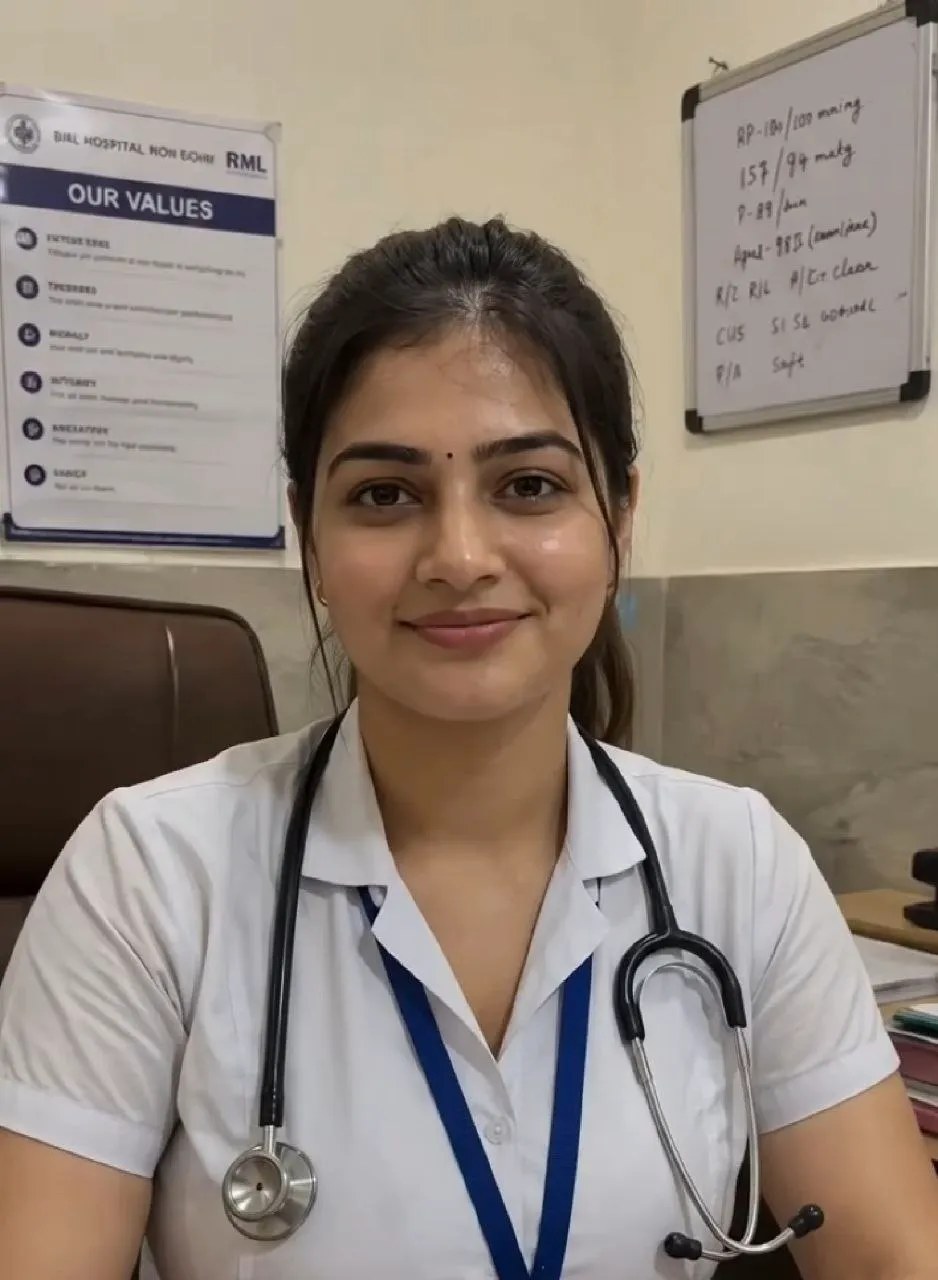


I still remember the exact moment it hit me that I was not in my hometown anymore. I was standing outside the university gate with two overstuffed suitcases, a backpack digging into my shoulders, and absolutely no idea which direction my hostel was in. Nobody warns you about that moment. Everyone talks about MBBS admissions, scholarships, and NEET cutoffs, but almost nobody tells you what the first week actually feels like once you land.
If you are preparing to study MBBS abroad, or you have a child, sibling, or friend about to leave home for medical school in another country, this article is the honest version of what I wish someone had told me before I packed my bags. Not the brochure version. The real one.
The Admission Process Felt Easy Compared to What Came Next
By the time I actually boarded my flight, I genuinely believed the hard part was behind me. I had cleared my entrance requirements, submitted my documents, paid my fees, and received my admission letter. In my head, the difficult phase was over and the rest would simply fall into place.
That assumption was wrong, and it is one of the biggest misconceptions new MBBS students carry with them. Getting admitted to a university abroad is a paperwork challenge. Settling into a university abroad is a life challenge. They are not the same thing, and no one prepares you for the second one.
Nobody Tells You About the First 48 Hours
The first two days after landing are chaotic in a way that is hard to describe until you live through it. You are jet-lagged, disoriented, and suddenly responsible for things your parents used to handle without you even noticing, like finding food, understanding local currency, and figuring out how the local SIM card actually works.
In my case, the university had arranged airport pickup, which genuinely saved me. If your university offers this facility, take it without hesitation, even if it costs a little extra. Navigating an unfamiliar city with heavy luggage, a different language, and zero local contacts is not an experience you want on day one.
What I was not prepared for was how quiet and overwhelming the hostel room felt once the pickup driver left. One minute you are surrounded by family at the airport back home, and a few hours later you are alone in a small room, in a new country, with a roommate you have never met. That emotional transition deserves far more attention than it gets in admission counselling sessions.
Documents: Keep More Copies Than You Think You Need
Every guide tells you to carry your passport, admission letter, and medical certificates. What they do not tell you is how often you will need these documents in the first month alone: hostel registration, local bank account opening, SIM card activation, university ID creation, and sometimes even local police registration for international students.
My advice is simple. Scan every single document before you leave home and save them in at least three places: your email, a cloud drive, and a physical folder in your check-in luggage, separate from your carry-on. I learned this the hard way when my folder of original documents was still packed in a suitcase that had not arrived yet, while the hostel office needed my passport copy within hours of check-in.
The Food Adjustment Is Bigger Than You Expect
I had read warnings about food being different, but I assumed it meant slightly different spices or unfamiliar dishes. The reality was a complete adjustment period that lasted nearly three weeks. Meal timings were different, portion sizes were different, and finding vegetarian or familiar options took real effort in the beginning.
If you have dietary preferences or restrictions, research the local food scene before you arrive, not after. Many international MBBS students form small cooking groups in their hostels specifically to recreate home-style meals on weekends. Joining one of these groups early made a noticeable difference to how quickly I settled in, both physically and emotionally.
Making Friends Takes Longer Than You Think, and That Is Normal
One thing I underestimated badly was how long it would take to build a genuine friend circle. In my first week, I kept comparing myself to classmates who seemed to bond instantly, and I assumed something was wrong with me for still feeling like an outsider.
Looking back, that comparison was unnecessary and unfair to myself. Friendships at an MBBS university abroad usually form naturally around shared struggles, like late-night anatomy revision, surviving your first practical exam, or navigating local transport together. Give yourself permission to feel a little lonely in the beginning. It does not mean you made the wrong decision. It means you are human.
Academic Expectations Hit Differently in a New System
MBBS coursework is demanding anywhere in the world, but the teaching style abroad can feel unfamiliar even if the subjects are the same ones you studied back home. Some universities rely heavily on lecture-based learning, while others expect significant self-study and group discussion from day one.
I wish I had spent more time before arrival understanding my university’s specific teaching format, grading pattern, and expectations around attendance and practical sessions. A quick email or message to a senior student from your university, before you even land, can save you weeks of confusion later.
Banking and Finances: Set This Up Before You Need It Urgently
Opening a local bank account was more time-consuming than I expected, partly because of document requirements and partly because of processing timelines that differ from what I was used to. Meanwhile, daily expenses like groceries, transport, and hostel essentials do not wait for your paperwork to clear.
My recommendation is to carry a reasonable amount of local currency in cash for the first two weeks, alongside an internationally usable debit or credit card, so you are never stuck waiting on a bank account to be activated before you can buy basic necessities.
Homesickness Arrives Even When You Feel Ready for It
I genuinely believed I was mentally prepared to be away from home. I was wrong, not because I was weak, but because homesickness does not always show up as obvious sadness. Sometimes it looks like irritability, difficulty sleeping, or simply feeling unusually tired for no clear reason.
Staying connected with family through regular video calls helped, but what helped even more was building a small support system at university itself, including seniors who had gone through the exact same adjustment a year or two earlier.
What I Would Tell My Past Self
If I could go back and talk to myself the week before departure, I would say this: pack fewer clothes and more patience. The practical things, documents, currency, and contact numbers matter, but the emotional preparation matters just as much, even though it rarely gets mentioned in admission counselling.
Studying MBBS abroad is one of the most rewarding decisions a student can make, but the first few weeks test you in ways that have nothing to do with academics. Knowing that in advance will not remove the challenge entirely, but it will stop you from thinking something has gone wrong when, really, you are simply adjusting to one of the biggest transitions of your life.
If you are preparing for this journey yourself, give yourself grace in those first days. The discomfort fades faster than it feels like it will, and on the other side of it is a university experience, and eventually a medical career, that will have been worth every uncertain moment at the airport gate.